

Electrical Services That Get the Job Done Right
- Anthony Riddick
- Aug 4
- 5 min read

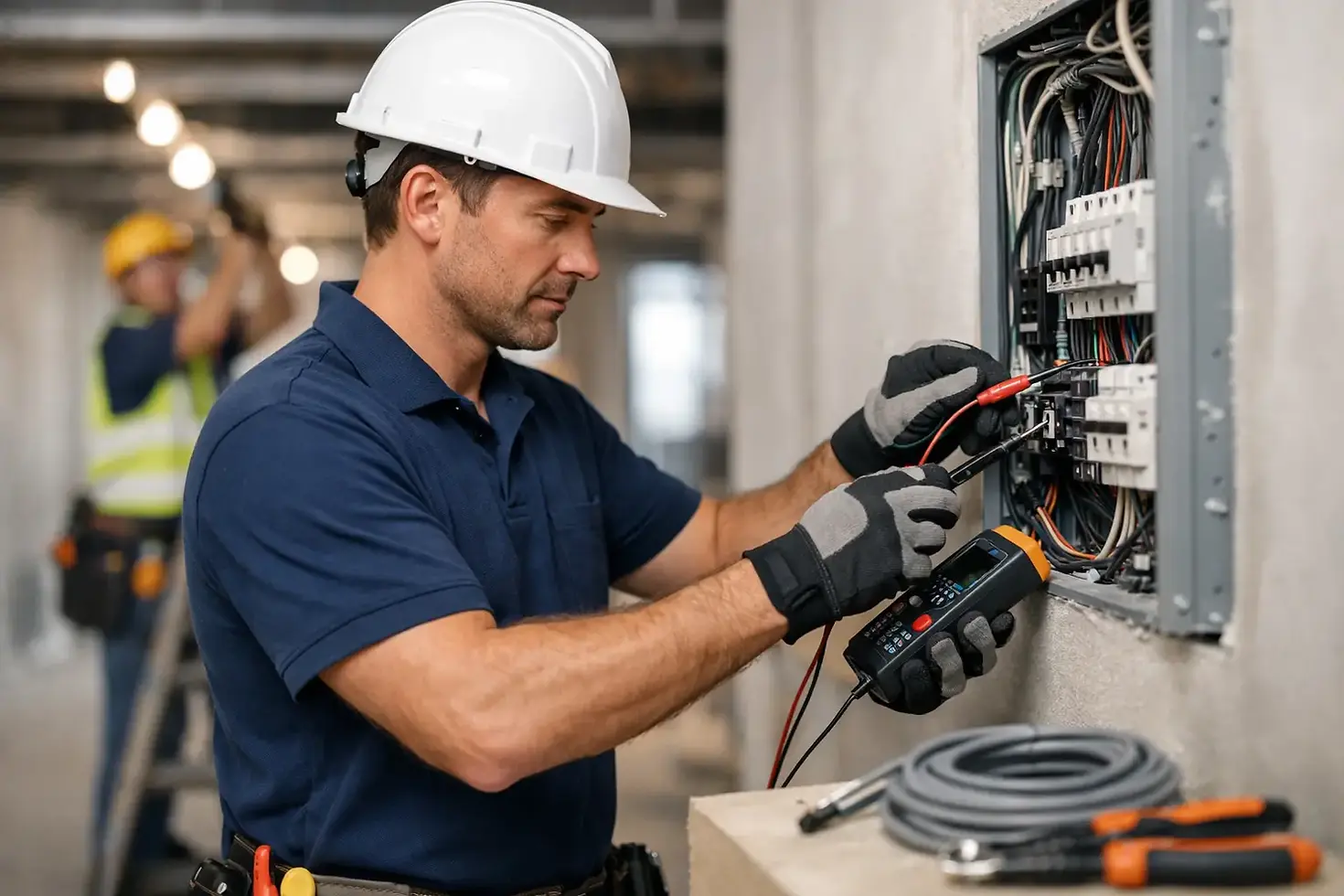
A breaker that trips every week, lights that flicker when the microwave starts, or an outlet that feels warm are not small inconveniences to work around. They are reasons to call for professional electrical services before a manageable problem becomes a damaged circuit, failed inspection, or safety hazard. Good electrical work starts with finding the real cause, not simply replacing the part that appears to have failed.
For homeowners and businesses in Portland, Salem, and Vancouver, Washington, the right electrician should make the process straightforward. You should understand what is wrong, what the work involves, and what the finished result will accomplish. Just as important, the work should be completed with proper materials, sound installation practices, and the attention to code requirements that protects the property over time.
What Quality Electrical Services Should Deliver
Electrical work is often hidden behind walls, above ceilings, and inside panels. That makes quality especially important. A neat-looking switch plate tells you very little about wire connections, circuit loading, grounding, box fill, or whether the installation is ready for inspection. Those details are where shortcuts create problems.
Professional electrical service is not limited to making power come back on. It means diagnosing conditions accurately, matching the repair or installation to the property’s actual needs, and completing the work correctly the first time. A reliable electrician also communicates clearly when a simple repair is appropriate and when the issue points to a larger concern, such as an overloaded service, aging wiring, or equipment that no longer meets the demands of the building.
The lowest quote is not always the lowest cost. A rushed repair can lead to repeat visits, damaged equipment, permit issues, or work that must be redone before a sale or renovation can move forward. Fair pricing should come with a defined scope of work and workmanship built to last.
Repairs Need Diagnosis, Not Guesswork
Many electrical issues have more than one possible cause. A dead outlet may be a failed receptacle, a tripped GFCI device elsewhere in the home, a loose connection, a damaged cable, or a problem at the panel. Replacing the outlet without testing the circuit might restore power temporarily while leaving the actual fault in place.
The same is true of breakers. A breaker that trips is doing its job by interrupting an unsafe condition. It may be responding to an overloaded circuit, a short circuit, a ground fault, or a failing appliance. Repeatedly resetting it is not a repair. A qualified electrician should determine why it is tripping and recommend the proper correction.
Call for service promptly if you notice burning odors, buzzing from a panel or outlet, discoloration around devices, shocks or tingling when touching equipment, frequent breaker trips, or lights that dim unexpectedly. Turn off power to the affected area if it can be done safely, and do not attempt to open a panel or work on live wiring yourself.
When a Panel Upgrade Makes Sense
The electrical panel is the distribution center for the entire property. It needs enough capacity for the current load, room for properly sized circuits, and equipment in safe operating condition. Older homes throughout the Portland metro area may have panels that were adequate when installed but are now supporting far more than they were designed for.
A panel or service upgrade can be worth considering when a home is adding an electric vehicle charger, heat pump, air conditioning, hot tub, induction range, workshop equipment, or a major addition. It can also be necessary when the existing panel shows corrosion, damage, crowding, obsolete equipment, or insufficient capacity.
Not every project requires a full service upgrade. Sometimes the best answer is a new dedicated circuit, a subpanel, or a load calculation that confirms the existing service can handle the planned equipment. It depends on the building’s electrical demand, the condition of current equipment, and the scope of the project. A careful assessment prevents both underbuilding and paying for work that is not needed.
Dedicated Circuits Protect Performance
High-demand appliances and equipment often need dedicated circuits so they can operate safely without competing with other loads. This is common for disposals, dishwashers, microwaves, laundry equipment, garage tools, HVAC components, EV chargers, and commercial equipment.
Adding a dedicated circuit is not simply a matter of finding an open breaker space. The circuit must be correctly sized for the equipment, routed properly, connected with approved materials, and protected as required. Those details help prevent nuisance tripping, overheating, and unreliable operation.
Lighting Should Work as Well as It Looks
Lighting projects can dramatically improve a property, but they require more planning than choosing attractive fixtures. The right layout considers task lighting, general lighting, switch locations, dimming compatibility, ceiling access, circuit capacity, and how people actually use the space.
A kitchen remodel may need brighter, even light at counters while keeping the room comfortable after dark. A home office may benefit from lighting that reduces glare and shadows. Exterior lighting should improve visibility at entries, walkways, and driveways without shining into neighboring windows. Landscape lighting can add safety and curb appeal when fixtures, wiring, transformers, and controls are installed for the outdoor environment.
Commercial lighting has another layer of responsibility. Business owners and property managers need lighting that supports employees, customers, security, and daily operations. Whether the project involves tenant improvements, new fixtures, parking area lighting, or power for equipment, reliable planning helps avoid disruptions after the space is occupied.
Renovations and New Construction Require Coordination
Electrical work in a remodel is easiest when it is planned before walls are closed. That is the time to think through outlet placement, kitchen circuits, lighting zones, data needs, smoke and carbon monoxide alarm requirements, appliance locations, and future upgrades. Waiting until the finish stage often limits options and raises costs.
New construction requires the same discipline on a larger scale. The electrical system has to coordinate with framing, plumbing, HVAC, insulation, drywall, and the construction schedule. A good contractor stays organized, communicates with the project team, and completes each phase in a way that supports inspections and the next trade on site.
For commercial projects, clear scope matters even more. A business may need new power for machinery, upgraded service for expanded operations, office lighting, code-related corrections, or wiring for a tenant build-out. The work should be scheduled around the site’s operational needs whenever possible, while still allowing enough time to do it right.
What to Ask Before Hiring an Electrician
Start with licensing, insurance, and a clear description of the work. Electrical projects should not rely on vague promises or verbal assumptions, especially when they involve panels, new circuits, renovations, or commercial systems. Ask what the electrician found, what repair or installation is recommended, and whether permits or inspections apply to the scope.
It is also reasonable to ask how the contractor will protect the work area, coordinate access, handle unexpected conditions, and communicate changes. Older homes can reveal hidden issues once walls or panels are opened. That does not automatically mean the original quote was wrong. It does mean you deserve a direct explanation before additional work proceeds.
Look for a contractor who treats craftsmanship as the baseline, not as an optional upgrade. ATR Electric approaches residential and commercial work with that standard: no shortcuts, clear communication, and accountable workmanship designed to reduce avoidable callbacks.
Electrical Work Is an Investment in the Property
Electrical improvements can make a home more comfortable, support new technology, help a business operate efficiently, and address safety concerns before they become expensive failures. But the value depends on the quality of the installation. Properly planned work serves the property for years; improvised work often creates the next problem.
If your property is showing warning signs, preparing for a remodel, or ready for better power and lighting, begin with a clear conversation about the scope. The right electrical solution is the one that fits the building, meets the requirements, and is completed with care from the first connection to the final test.


Comments